loading count
loading pagination
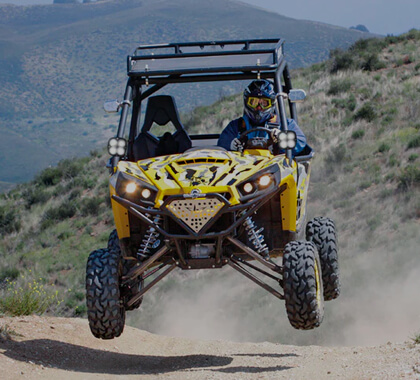
At 70 miles an hour across open desert, the X3's factory quarter doors leave most of the cab open to roost, rock and the rooster tail off the machine ahead of you, which is why doors are one of the first upgrades most X3 owners make. This page runs the full spread for the Maverick: EMP lower door sets that close the gap below the factory doors, Sport Concept venting polycarbonate upper doors that seal the cab without fogging it, TMW Offroad's Stealth full doors for a clean aggressive look, and rear-hinged suicide doors from Dirt Specialties that make climbing in and out of a caged sport machine easy. It is the deepest Can-Am aftermarket catalog online, 25,000-plus products across 300-plus brands, so the X3 door you are picturing is almost certainly on this page.
Fitment leads with your cab. The 2-seat X3 and the 4-seat X3 MAX take different door sets, so seat count decides the kit before anything else, and the Maverick Sport and Trail run their own lineups behind the X3. The original Maverick from 2013 to 2016 is served too, mostly by the suicide and full-door builders. Every listing on the page names its exact models and seat count. We are the fitment experts, so text (920) 644-5280, call (920) 214-8201, or hit the live chat on any page and we will match doors to your exact machine before you spend a dollar.
Start with what the factory gave you, then decide whether to complete it or replace it. The X3's low quarter doors leave two routes. You can complete them, with lower sets that fill the gap below and venting uppers that seal above while your factory doors stay in the middle, or you can replace them, with full aftermarket doors or rear-hinged suicide doors that swap the factory setup entirely. The X3 MAX does the same math across four openings, and the Sport and Trail, which ship better-doored from the factory, mostly shop here for upgrades and style. Here is how the four routes compare.
| Type | What it is | Best for | What you give up |
|---|---|---|---|
| Lower door sets | Aluminum or plastic panels that close the gap below the factory doors (EMP, Kemimoto), from about $178.95 | Stopping roost, rock and mud at the floor line, the budget fix that keeps the factory doors | The upper body stays open to wind and weather |
| Venting upper doors | Polycarbonate uppers with an adjustable sliding vent (Sport Concept), around $698.20 | Sealing the cab for cold or dusty rides without fogging the panel you look through | More panels to keep sealed and rattle-free |
| Full replacement doors | Complete aftermarket doors, 2-seat or MAX (TMW Stealth, SuperATV), $720.95 and up | A tougher, better-sealing door than factory, top to bottom | The bigger spend of the swap routes |
| Suicide doors | Rear-hinged full doors with a flat-top profile (Dirt Specialties), from $399.95 | Easy entry and exit in a caged machine, and the sport look | Rear hinges lean on the latch, so buy quality |
Doors on an X3 live a harder life than doors on a work UTV, taking vibration at speed, roost impacts and constant flex on rough ground, so the build tells matter. Look for a solid latch mechanism and frames that mount to the cage without slop, because a door that shakes loose at 60 miles an hour is worse than no door. The doors that come back to our return desk are almost always the cheapest suicide sets, where a light-duty latch could not take the rear-hinge load at speed, so this is the category where paying for a real latch pays you back. On flat-top suicide designs the profile does real work, managing wind buffeting at desert speed rather than catching it. On venting uppers the vent is the whole feature, because airflow you can adjust is what keeps a sealed sport cab from fogging the moment you stop moving. Polycarbonate uppers also flex without shattering where flat glass would crack, which is why the sealed-cab route on a sport machine runs poly, not glass.
Lower door sets are the budget-friendly entry point, running about $178.95 to $250 for the SuperATV, EMP and Kemimoto panel kits, and they honestly get you floor-line protection without touching the upper cab. The sweet spot most buyers land on is the middle, where venting uppers and full doors sit: the Sport Concept venting polycarbonate uppers run around $698.20 and SuperATV full doors near $720.95, which is where you get a sealed or fully swapped door with most of the quality built in. The premium end is the complete suicide-door and full-door conversion, from $399.95 for Dirt Specialties half-suicide doors up to $2,633 for a TMW Stealth MAX set, and what earns that price is the flat-top wind management, the heavier frame and the sport look. The most common warranty is between 3-6 months, but Everything Can-Am Offroad does offer extended 1- and 2-year warranties on all products if that is something you are interested in — you can add the extended warranty right at checkout. Financing is available through Affirm on the bigger door kits, most items ship within 24 hours with any exceptions shown right on the product page, and every order carries our risk-free 90-day return policy. You can also see what Can-Am owners say about us before you buy.
Dirt Specialties is the suicide and full-door specialist, with a flat-top profile that manages wind at speed and coverage from $399.95 half-suicide doors to $1,295.95 MAX sets, the sport-styling pick for the X3 and the older Maverick alike.
SuperATV is the versatile-coverage brand, spanning clear lower doors at $178.95, full doors at $720.95 and hard cab enclosure uppers, one brand that carries you across every door route on a single fitment.
TMW Offroad builds the Stealth line, complete replacement doors for the 2-seat X3 and the MAX made for aggressive riding and a clean look, from $1,147.99 to $2,633, and the matching door bags to go with them.
Do X3 doors fit the X3 MAX?
Not interchangeably. The MAX's 4-seat cab needs 4-seat door coverage, and 2-seat kits, like TMW's Stealth 2-seat set, say so in the name. Every listing here states its seat count and models, so match both before ordering, or text us the machine and we will match it for you.
Should I add to my factory doors or replace them?
Budget and goal decide it. If the factory doors are fine and the problem is roost and mud at the floor line, a lower door set fixes it for the least money. If you want a sealed cab for cold or dusty riding, venting uppers complete the coverage without fogging, and they pair naturally with a full Maverick cab enclosure when you want to close the cab end to end. If you want better doors, period, full replacements or suicide doors swap the factory setup entirely.
Will doors hurt the X3's handling or feel at speed?
Quality doors will not. They mount to the cage rather than the suspension, and a well-designed flat-top suicide profile actually reduces wind buffeting in the cab at speed. What you want to avoid is loose budget doors that rattle and flex, because on a machine that vibrates like a sport UTV, solid latches and tight frames are the whole game.
What are suicide doors, and why do sport riders like them?
Suicide doors are rear-hinged, so they open from the front edge and swing backward. On a caged sport machine that geometry makes climbing in and out much easier, even with a helmet on, and the look has become part of X3 culture. The one caveat is engineering, because rear-hinged designs put more demand on the latch, so this is the category where build quality matters most. Our top-5 doors guide walks through the strongest sets we sell.
Do aftermarket doors require drilling?
It depends on the type, and here is what it depends on. Most lower door sets and venting uppers are bolt-on kits that use the factory door mounts and hinge points with no drilling. Full replacement and suicide doors mount to the cage, and some use the existing hinge and latch locations while others include new hardware, so check the product page for the specific kit. If you tell us your machine we will confirm the install before you buy.